
Rewriting My Diabetes Story

Part 1 The Beginning

By Lana Smid

When we first faced diabetes in our family, it felt like being hit by a truck. I cried daily for weeks, overwhelmed by the fear, uncertainty, and endless decisions that came with managing this new reality. The grief of losing the life we knew and the anxiety about what lay ahead felt impossible to navigate.

Diagnosis

My son was diagnosed at 7 years old in October 2018

My daughter was diagnosed at 7 years later the next year in December 2019

Their story will be for another day….this is MY story as their mom.

As a mom to two children with Type 1 Diabetes, the weight of caregiving has consumed me. My mental and physical health took a back seat as I prioritized their needs above my own. But after years of running on empty, it became clear: I couldn’t continue this way. My stress levels skyrocketed, and I hit rock bottom back in 2022 when I went on a 10-month stress leave following a series of traumatic diabetes-related events, including a seizure and an accidental insulin overdose.  

The day of the accidental overdose (putting the amount of carbs into the unit section of her pump) was when I went off work and started to rewrite my story.  I knew something had to change.  I no longer wanted to live in a feeling of anxiety, stress and overwhelm.

 It wasn’t a quick fix or an overnight transformation—it was a journey of small, intentional changes that allowed me to go from a mom hiding in her room crying to a calmer, more balanced version of myself. It started with acknowledging that my health and well-being mattered too.  It has been steps forward and then steps backwards.

The Transformation

The first step was reclaiming my mental health. I booked an appointment with my family doctor and a psychologist.  My doctor asked me what to do I do for fun…I had no answer.  My psychologist asked what I do for exercise…my answer was nothing.   So I decided to start.  I set up a workout space in the garage and it was my time to get myself out of my funk. I started getting together with a friend instead of isolating myself.

I began incorporating daily exercise into my routine, not just for physical fitness but as a way to manage my anxiety. Movement became my therapy, a way to recharge and I would always feel better the days I exercised. Gradually, I started to feel stronger, both physically and emotionally.

I started taking a cortisol lowering drink called Happy Juice. Targeting my gut with strain specific probiotics clinically proven to lower stress, improve mood and many other benefits. I drank it daily for about a year!

It was a humbling experience because of the weight I had gained I physically struggled to climb up the stairs and pull myself up to the platform.  But I did it and for that I am thankful.  I was so scared to jump but did it and screamed the whole way.  Sometimes we need to give ourselves a bit of a push to start building momentum.

Fear had been a big trigger for me.  Fear of low blood sugars. Fear of complications.  During counselling this was something that we worked on a lot.  With my PTSD diagnosis we did a lot of EMDR therapy.  My affirmation I tell myself is: “I am safe.  My kids are safe”

I worked on finding balance and also acceptance. I realized that while diabetes would always be a part of our lives, it didn’t have to define every moment. I began setting boundaries, asking for help, and creating a support network. This wasn’t easy at first, but it was essential. By leaning on others, I learned that I wasn’t alone—and that it was okay to need support. Having diabetes in our lives is now a part of us. I might as well learn what I can so that we live the live we always wanted…just a bit differently.

What’s Next?

This blog is the first in a 3 part series.  Today I talked about the “Beginning”. Come back next week for part 2: The Middle! And if you’re ready to take the next step in your own journey, connect with me on Instagram for tips, updates, and inspiration. Let’s create a future where we thrive, not just survive. 💙

Lana Smid

Sensory Play to help with Anxiety

When my kids were little I became obsessed with sensory play. So much that I turned my basement into a sensory play oasis and called it “Messy Play”. I did preschool classes, a dayhome, Mommy needs a Break respite and parented sessions.

Here is an example of one of the parented classes. I would set everything up to look clean and inviting….let the kids/parents play and create together…and then I would clean up the mess.

Waterbeads and a play kitchen

Sand (was always a favorite)

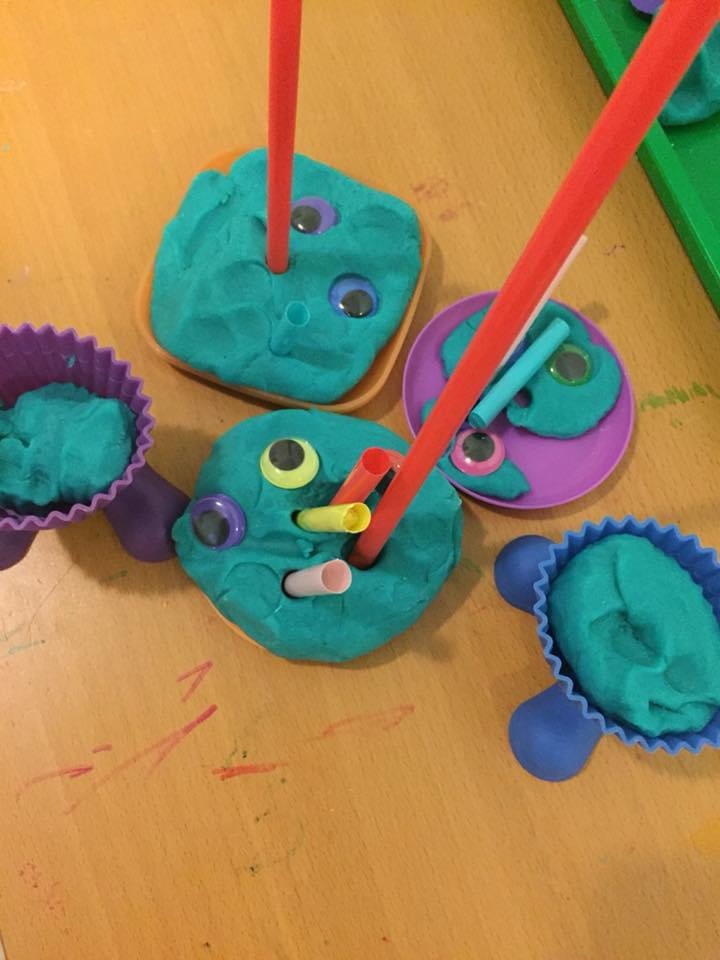
Homemade Playdough with fun tools to create monsters.

Learning Puzzles

Alphabet stickers

Markers with a long roll of paper

Chalkboard. Sometimes adding in paint brushes with water.

Magnatiles

Blocks

Paper clip/Magnets on light table

Painting with rollers/brushes turned into painting animals

Then we needed to wash animals…🦄🦕🦈

And at the end we brought in a big bucket of real SNOW which was super cool to play with while warm inside.

We then spray painted the snow with water colours!

It was always real cool for kids that were a bit shy to slowly start to take interest in the centers.

Benefits for Anxiety

“There’s something about different tactile things that actually creates a sense of mindfulness” says Tracy Turner-Bumberry, a licensed professional counsellor and play therapist. “Sensory play helps children focus on what’s happening right now and tune out past sadness or future anxiety. They notice that right in that moment, they’re touching something that feels so good in their hands.”

In childhood development, sensory play promotes inclusive, open-ended play that helps develop skills, promotes self-regulation, encourages exploration, enhances problem-solving abilities, and nurtures creativity.

Playdough is my favorite!

Touch:

For kids struggling with anxiety, tactile experiences can provide calmness. Encourage your child to explore different textures through activities like playing with kinetic sand, finger painting, or squishing stress balls. These tactile sensations can help ground anxious children in the present moment, providing a sense of comfort and stability.

Sight:

Can choose to create a calm and inviting environment for your child by incorporating soft lighting, soothing colors, and visually appealing elements like posters of nature scenes or twinkling fairy lights.

Sometimes just seeing an invitation to play and create is enough to draw them in. Engaging in visual activities such as drawing, paint mixing, coloring, or watching calming visualizations can help distract anxious minds and promote a sense of peace and relaxation.

Having a sand box at home when my kids were little was so fun!

Auditory senses: Sound has a profound effect on children’s mood and mindset, making it a valuable tool for managing anxiety. Introduce your child to calming soundscape playlists, nature sounds, or guided meditation recordings designed specifically for kids. Encourage them to listen to these soothing sounds during moments of stress or before bedtime to help calm their racing thoughts and promote restful sleep. In my classes it was more of an uplifting energetic music mostly. And would create playlists of different kids music for different holiday classes.

Aromatherapy: The power of smell can create a calming oasis for your anxious child. Experiment with child-safe essential oils like lavender or chamomile diffusing them throughout your home. The gentle aroma of these oils can help relax the mind and body. I would often have something to “smell” in my messy play classes. Whether it was lemons/limes in the water table, adding in lavender to play dough, playing with coffee grounds etc. One of the funnest days we had was using up a bunch of old spices and mixing them into play dough.

I encourage all parents to give sensory play a try. It can even be relaxing and fun for us to ground and just be in the moment. There will be some sensory play stations set up at the T1D Family picnic this summer! If you live near Red Deer and want details for in person events join my group here.

Lana Smid

Decision Fatigue with type 1 diabetes management

Decision Fatigue

The continuous need to make critical health decisions daily.

This story below is an example of me in overwhelm decision fatigue mode.

What once was fun and carefree now has a lot of stress to go along with it. This was a couple years ago and I am thankful that with time and practice going out for icecream is not as scary as it was for me then.

How many carbs in this ice cream cone?

One summer day

One day a couple years into our diabetes journey our family decided to go for ice cream. Sounds easy right? Why would that give me stress? What once was fun and carefree had become a source of uncertainty and fear for me.

Looking up at the ice cream menu chalkboard with a hundred options (see pic below) gave me overwhelming anxiety.

As soon as I looked at it I felt panicked over what decision to make. I was frozen. My husband was asking me what size of ice cream we should get our kids with type 1 diabetes.

I could not even look at the board. I started to tear up and told him that he needed to make the decision because I just could not. He didnt get that I was in “freeze” mode and I jus told him he needed to make the decision and I left the store crying.

I was NOT READY to make a decision. In my head I had all these questions below:

So many questions

What is their blood sugar now?

Is their going to be activity after the ice cream?

Guessing how many carbs in a 1 scoop and a 2 scoop?

What will the impact of the fat be?

Do I need to extend?

How long of a pre bolus does this need?

I don’t remember what happened to their blood sugar that day.
But I remember the weight in my chest. The tightness in my throat. The way one small, ordinary moment suddenly felt impossibly heavy.

It wasn’t really about ice cream.
It was about the thousands of invisible decisions that come before and after it.
The constant calculating. The never-ending “what ifs.”
The pressure of knowing that even something meant to be joyful still requires a plan.

“IDC” Acroynm

Has your teenager or someone ever texted you back “IDC”. Meaning “I Dont Care”.

My teenagers will say this sometimes if I ask them something about their diabetes. A counsellor once reminded me that our kids wont care as much as we care – and thats normal. They are just focused on their life and diabetes is not on the top of the list like it is for us.

When I do say “I Dont Care”. That’s usually a sign I’m tired, overwhelmed, or already holding too much.
That my nervous system needs a break.

Listen here to a favorite podcast of mine called The Calm and Confident Podcast. She explains that letting decisions linger can drain your energy, and that every “yes” or “no” is a decision that shapes your life. To make decisions more confidently, she introduces an easy-to-remember framework using the acronym IDC:

  • I – Inform yourself: Gather information and insights so you understand the situation.
  • D – Decide with what you know: Choose the best option you can based on your current understanding.
  • C – Communicate clearly: Let the people affected by your choice know what you’ve decided and why.

This episode helps you approach decisions, big and small with more confidence and less avoidance, so you can reduce overwhelm and move forward in life with more clarity. This episode HERE is on Decision making.

Self Compassion

One thing I have learned a lot about is self compassion. I am someone that hates to make mistakes. But I have learned I am human and that I need to treat myself the way I would a friend.

Moral of the story is diabetes can be overwhelming and you are not alone if you are struggling💙

Very overwhelming for me to make a decision!

Lack of Control

Another theme that has come for me has been “Lack of Control”: The unpredictability of T1D can make us moms feel out of control, exacerbating our stress and anxiety.

One thing that has helped me with this is the book “Sugar Surfing”. We dont always know the outcome but we can make micro adjustments when we do end up making a decision that leads to out of range blood sugars.

My goal is for my kids blood sugars to be meeting the targets. Not perfect. Some days are great and some days are a dumpster fire lol.

If you can relate follow along as I share more about T1D mom life and balancing all the overwhelm and feelings of anxiety that come along with it.

With love,

Lana