
Type 1 Diabetes Parent Support Groups

Support groups for diabetes can be a game-changer when it comes to feeling connected and heard. Whether online or in-person, these groups offer a space where you can ask questions, share experiences, and receive emotional support. Finding a group that resonates with you can make a big difference. Knowing that others are facing similar struggles can be incredibly reassuring.  Sometimes, just talking to someone who gets it can be a huge relief.

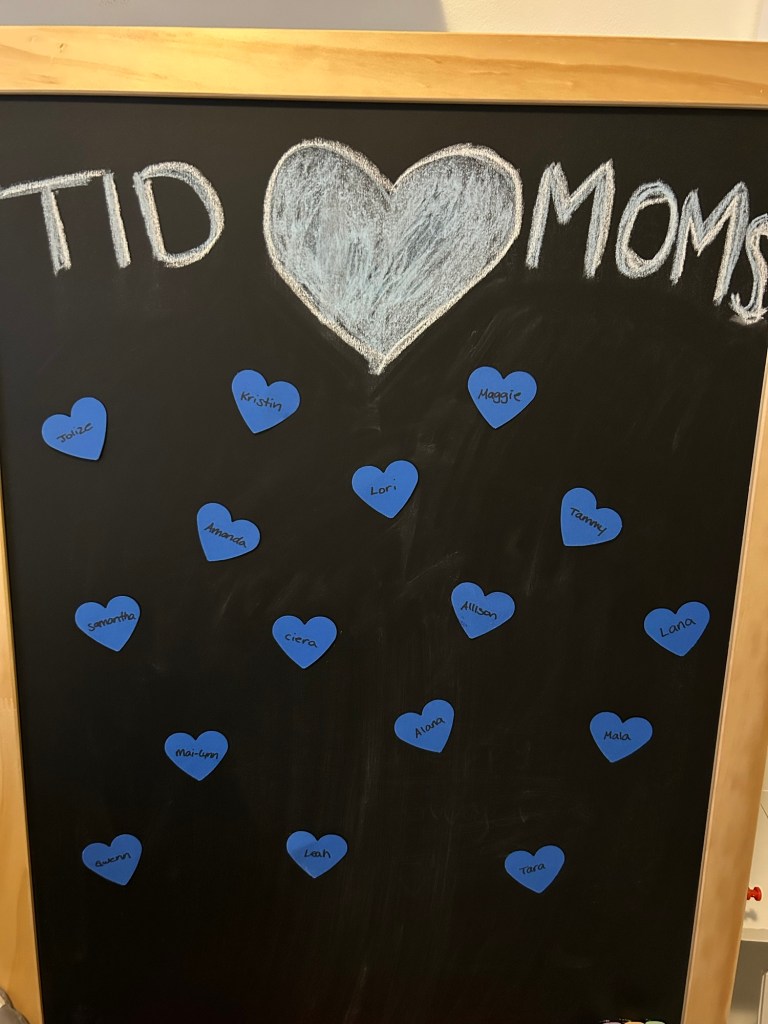
The T1D Mom Makeover: A Supportive Community for You

Many moms dealing with T1D in their children put their own needs last, leading to burnout. That’s why I created the T1D Mom Makeover, an 8-week program designed to help moms work on their own self care while also improving diabetes management for their children.  Whether you are newly diagnosed or have been feeling alone in your diabetes group…I think all T1D moms can benefit from this program.

This program isn’t just about learning—it’s about connecting. Moms in the program support each other, share experiences, and learn practical ways to integrate self-care into their lives without guilt.  Each week we have a different guest speaker (who are ALL amazing) with different tips and different takeaways.   If you’ve been struggling to find a community that truly understands, this could be the space you’ve been looking for.

Finding the diabetes support group for YOU:

Finding a community that truly understands your day-to-day struggles can ease feelings of loneliness and help you gain valuable insights from other parents.  Not all support looks the same, and different people need different kinds of connection. Some may prefer in-person meetups, while others prefer online communities. The key is finding a space where you feel safe, supported, and understood. 

Remember that T1D moms, like all people are unique.  We have different personalities, experiences, and approaches to parenting. Just as we don’t instantly connect with everyone in our daily lives, the same applies to the diabetes community. Some support groups or connections may feel like a perfect fit, while others might not resonate as much—and that’s okay. If you are wondering if mine is the right fit for you find me on instagram here and get to know me better!  

Finding the right support system isn’t about forcing relationships but about discovering the people who truly understand and uplift you. It’s important to give yourself permission to seek out the spaces where you feel seen, heard, and valued, rather than feeling obligated to fit into every group.

For me starting a business connecting other moms has been therapeutic.  I actually did this when my kids were younger as well prior to diabetes.  Back in Airdrie I opened “The Creative Castle”  and had parented preschool classes for moms to bring their kids to connect with one another.    Connection is KEY!  Even when you feel you are the only one going through a struggle…I promise you are not!

You are doing an incredible job. If you’re ready to take the next step in building your support network, start by reaching out, joining a group, or simply sharing your experiences with someone who understands. The more we lift each other up, the stronger we all become.

Resources to Build Your Network:

  • Attend Diabetes Events – Conferences, fundraising walks, and diabetes camps are great places to meet other T1D families. JDRF walks,  I Challenge Diabetes, Kids n Us, Friends for Life.
  • Social Media Groups – Following T1D influencers and community pages on Instagram and Facebook can help you find people who share similar experiences.
  • My favorite group for info on Canada is Parents of Type 1 Diabetics-Canada
  • School and Community Connections – If your child’s school has other students with T1D, connecting with their parents can create a local support network.
  • Breakthrough (Formerly JDRF)  T1D Peer Support
  • Online Communities – Facebook groups provide forums where parents can connect, share stories, and seek advice.

Local Support Groups – Many hospitals and diabetes organizations host support groups for parents of children with T1D. Check with your child’s endocrinologist or diabetes educator for recommendations.

Remember you are not alone,

Lana💙
Rewriting my Diabetes Story – Part 2

Last week, I shared part 1. The moment we received those words life as we knew it changed.  Sharing the struggles, challenges, emotions I hope helps others feel not alone.

Now, I want to turn my focus to what happened AFTER my stress leave.

Atter Stress Leave:

I remember a conversation with my doctor that I was thinking of quitting being a nurse. At that time it had been 22 years and it was painful to think about “not being a nurse”.  At the same time I felt it hard to juggle both…being available when needed for kids while at school and worrying about making mistakes nursing while I knew my thoughts and focus would be on the kids.

Eventually I made a decision Inwas well enough to work but just knew I didnt want to return to fulltime and didnt want to go through the stress of fighting for an accommodation. So I quit and went casual. 

I got a position at our city’s diabetes clinic thinking this is what I really wanted.

And then it wasnt.

I loved chatting with parents about diabetes but I felt rushed to make important decisions for insulin adjustments.

Adjusting other peoples insulin was stressful. It is not easy and is complex. I need to really understand the reasons behind the highs and lows and study clarity before I make decisions with my kids. 

Some changes are easier but that has come with KNOWING my kids and their patterns.

I couldn’t  get everything done in 30 minutes and feel confident sending them off. I would have loved to just been able to phone them the next day to see how changes worked out but that wasn’t allowed.

There just wasnt the time.

The way it was run it was rare to see the same family and it was just random for who saw them next. 

One day in orientation I was nudged I needed to get back to the checklist of asking about eye appointments/dental exams when someone was sharing their emotional struggles. We only had 30 minutes. I was so annoyed and just felt it was not the place for me.

I also found it hard to not be able to share little tips/tricks that work for my kids if they were different than the guidelines we were supposed to teach by.

Helpful tools I recommend is the book Sugar Surfing and the Juice box podcast. I also recommend to get counselling. At diagnoses we get a crash course in diabetes but we caregivers also need support for US. For how to deal with all the difficult emotions like fear, grief and feeling helpless with a 24/7 chronic disease that is complex and unpredictable.

So Instead, I decided I wanted to create a support group for T1D moms.

My goal is to help others connect, share their experiences, and truly know they’re not alone in navigating the challenges of managing diabetes.   I had the idea of
“Doing Diabetes Different”  soon after quitting that job.  Just like anything if something is not working dont keep repeating it.  Try something different and try to not stay stuck.

Then I started The T1D Mom Makeover.  A program for moms that want to make improvements.  To their own struggles and or for their kids diabetes.  

Registration for Round 3 is open NOW! Click HERE for details.

I want us moms to be ok and I want our kids to be ok.  If you need support please reach out. My email is doingdiabetesdifferent@gmail.com.

Lessons I’m Embracing

1. Some is better than none. I am working on my perfectionist tendencies. I dont want to only focus on diabetes. My kids have other parts of their lives that are also important. My goal is to meet targets for time in range and A1C. Consistency beats perfection every time.

2. Community is important for support and accountability. Surrounding myself with people who understand my journey and “get it” has been a game-changer. I’ve learned that I don’t have to do this alone.

3. Don’t procrastinate on what matters. Putting off important things only adds to the stress when they become urgent. I’m learning to tackle what’s important sooner rather than later. 

4. My health matters. With my kids having type 1 diabetes it has become part of my mission to prevent type 2 diabetes for myself. They dont have a choice…I do. It is not easy but I am trying to change habits that are not serving me and replace them with habits that make me feel healthy and strong.

Moving Forward

Living in the present isn’t always easy, especially when there’s so much to juggle. But I’m learning that being here—fully present—is the only way to create the life I want for myself and my family.

Next week, I’ll share Part 3 of this series, where I will talk more about creating a vision for the future. Because rewriting our story doesn’t stop at today—it’s about imagining the future and where you hope to be.  Having a map as a guide for what I need to do now to get me to where I want to go.

Rewriting My Diabetes Story

Part 1 The Beginning

By Lana Smid

When we first faced diabetes in our family, it felt like being hit by a truck. I cried daily for weeks, overwhelmed by the fear, uncertainty, and endless decisions that came with managing this new reality. The grief of losing the life we knew and the anxiety about what lay ahead felt impossible to navigate.

Diagnosis

My son was diagnosed at 7 years old in October 2018

My daughter was diagnosed at 7 years later the next year in December 2019

Their story will be for another day….this is MY story as their mom.

As a mom to two children with Type 1 Diabetes, the weight of caregiving has consumed me. My mental and physical health took a back seat as I prioritized their needs above my own. But after years of running on empty, it became clear: I couldn’t continue this way. My stress levels skyrocketed, and I hit rock bottom back in 2022 when I went on a 10-month stress leave following a series of traumatic diabetes-related events, including a seizure and an accidental insulin overdose.  

The day of the accidental overdose (putting the amount of carbs into the unit section of her pump) was when I went off work and started to rewrite my story.  I knew something had to change.  I no longer wanted to live in a feeling of anxiety, stress and overwhelm.

 It wasn’t a quick fix or an overnight transformation—it was a journey of small, intentional changes that allowed me to go from a mom hiding in her room crying to a calmer, more balanced version of myself. It started with acknowledging that my health and well-being mattered too.  It has been steps forward and then steps backwards.

The Transformation

The first step was reclaiming my mental health. I booked an appointment with my family doctor and a psychologist.  My doctor asked me what to do I do for fun…I had no answer.  My psychologist asked what I do for exercise…my answer was nothing.   So I decided to start.  I set up a workout space in the garage and it was my time to get myself out of my funk. I started getting together with a friend instead of isolating myself.

I began incorporating daily exercise into my routine, not just for physical fitness but as a way to manage my anxiety. Movement became my therapy, a way to recharge and I would always feel better the days I exercised. Gradually, I started to feel stronger, both physically and emotionally.

I started taking a cortisol lowering drink called Happy Juice. Targeting my gut with strain specific probiotics clinically proven to lower stress, improve mood and many other benefits. I drank it daily for about a year!

It was a humbling experience because of the weight I had gained I physically struggled to climb up the stairs and pull myself up to the platform.  But I did it and for that I am thankful.  I was so scared to jump but did it and screamed the whole way.  Sometimes we need to give ourselves a bit of a push to start building momentum.

Fear had been a big trigger for me.  Fear of low blood sugars. Fear of complications.  During counselling this was something that we worked on a lot.  With my PTSD diagnosis we did a lot of EMDR therapy.  My affirmation I tell myself is: “I am safe.  My kids are safe”

I worked on finding balance and also acceptance. I realized that while diabetes would always be a part of our lives, it didn’t have to define every moment. I began setting boundaries, asking for help, and creating a support network. This wasn’t easy at first, but it was essential. By leaning on others, I learned that I wasn’t alone—and that it was okay to need support. Having diabetes in our lives is now a part of us. I might as well learn what I can so that we live the live we always wanted…just a bit differently.

What’s Next?

This blog is the first in a 3 part series.  Today I talked about the “Beginning”. Come back next week for part 2: The Middle! And if you’re ready to take the next step in your own journey, connect with me on Instagram for tips, updates, and inspiration. Let’s create a future where we thrive, not just survive. 💙

Lana Smid